
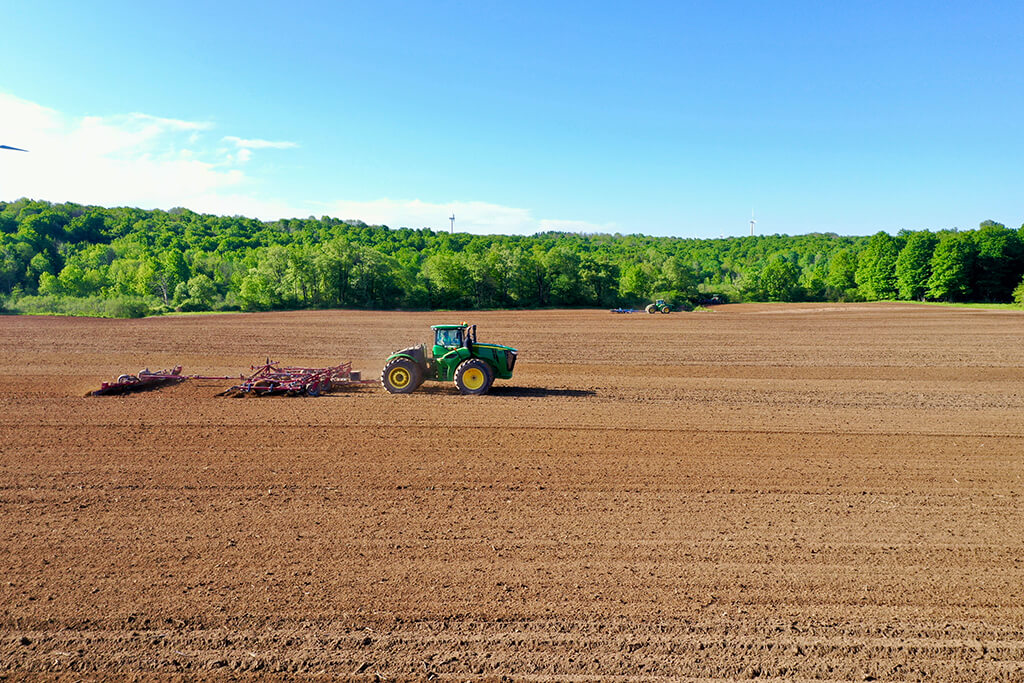
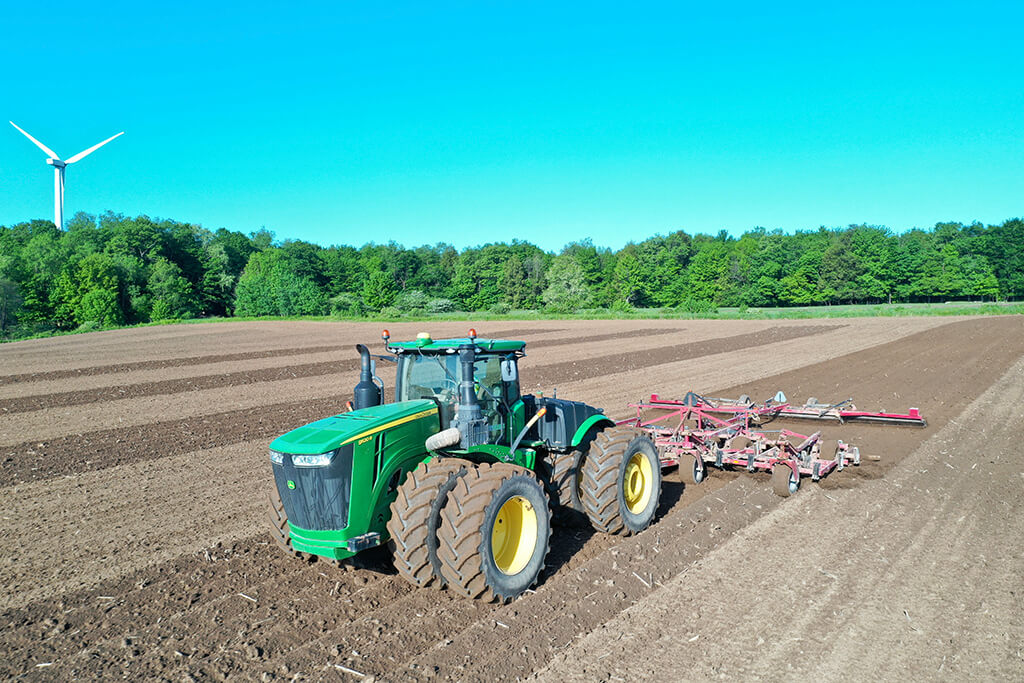
What if one of the most powerful tools for improving crop performance wasn’t a new chemical input or high-tech machine, but something as simple as compost?
For CSS Farms, compost implementation directly supports our sustainability pillars: Carbon Consciousness, Building Soils, and Invest in People. At CSS, we not only value producing high-quality potatoes, but also doing so in ways that reduce emissions, protect natural resources, and improve the land for future seasons.
Compost, in agricultural terms, is organic material, often manure or plant residues, that has been biologically broken down into a nutrient-rich amendment to the soil. Unlike synthetic fertilizers, which deliver nutrients quickly but briefly, compost improves soil structure and biology while supplying nutrients gradually throughout the growing season. If synthetic fertilizer is like a quick energy drink for crops, compost is more like a balanced meal, supporting steady growth and sustained plant health.
For potato farming in particular, soil is a living system that profoundly influences the yield and resilience of the crops, as well as environmental outcomes. CSS Farms is investing in composting programs because they rebuild soil biology, improve fertility, and help lower the carbon footprint associated with traditional fertilizer use. These benefits make compost implementation a practical strategy for advancing sustainability while maintaining strong agronomic performance.
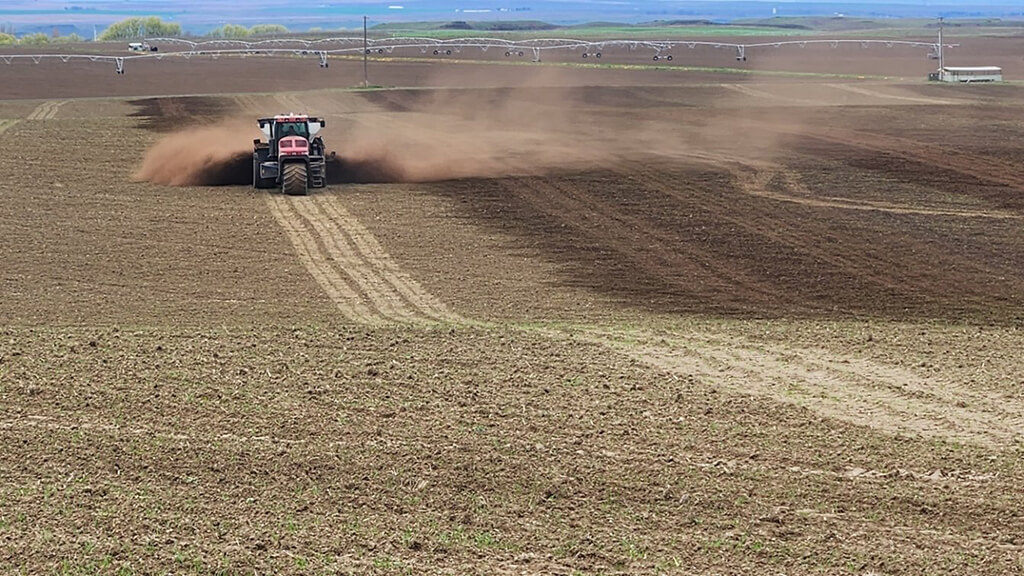
Environmentally, compost applications can reduce carbon intensity by an estimated 20-25% compared to standard synthetic fertilizer programs, and the added organic matter also improves water retention, which reduces irrigation needs, and helps lessen the impacts of wind and water erosion in fields.
Healthy soils aren’t just an environmental goal for potato growers, ; they are an operational necessity. Higher soil nutrient availability helps support more balanced growth, increasing our yield, and better soil structure helps support consistent crop development, promoting potato quality. In 2025, our Columbus, NE farm saw improved canopy health; Minden, NE reduced its use of urea (synthetic fertilizer); and Pasco, WA increased soil nutrient availability,– especially phosphorous, which contributed to higher numbers of tubers per plant.
At CSS, we source livestock compost, chicken litter, and hog manure from local suppliers, which helps us invest in the local communities near our farms. By keeping materials regional, our farms reduce transportation-related emissions, support neighboring agricultural operations, and promote a circular nutrient system in which organic resources are reused rather than discarded or applied in too great of concentrations.
We have found that sustainability initiatives don’t replace modern agronomy, they complement it. Alongside compost adoption, our farms are optimizing synthetic fertilizer use by switching to more carbon-conscious forms of synthetic fertilizer, like lower-carbon UAN. Our farms have also implemented variable rate application methods to ensure crops receive necessary nutrients exactly where they need them, and not in excess. This integrated approach combines the long-term soil-building benefits of compost with the precision of modern nutrient management, ensuring crops receive what they need while minimizing waste and emissions.
Healthy soil is the engine that powers every successful potato crop. Our composting initiative reflects our broader commitment to sustainable farming practices that balance productivity and environmental stewardship. By investing in composting programs, our farms are building their soils, supporting soil biology, and reducing environmental impact all at once. The results seen across many of our farms demonstrate that soil-building practices are not just theoretical sustainability goals, they are practical tools that deliver measurable agronomic benefits.
We’ll continue sharing insights as new results emerge, and as our understanding of soil health deepens, moving agriculture forward.