
What if improving sustainability on the farm didn’t always mean adding something new, but sometimes meant doing less?
As we are farming, every pass across a field counts. Each trip requires fuel, labor, time, and has an impact on the soil. At CSS Farms, we’ve learned that reducing the number of tillage passes isn’t just about efficiency — it’s also a meaningful way to build healthier soils while reducing our environmental footprint. This approach directly supports our sustainability pillars of Carbon Consciousness and Building Soils, proving that smarter field decisions can deliver long‑term value.
Tillage is the mechanical preparation of soil to eliminate weeds, manage residue and create an ideal seedbed for planting. This practice plays an important role in potato production, but traditional systems often rely on multiple, separate passes — deep ripping, chiseling, hilling, or diking — each using fuel, introducing compaction, and disturbing the soil. Over time, those repeated passes can degrade soil structure that we work hard to maintain and build for healthy crops.
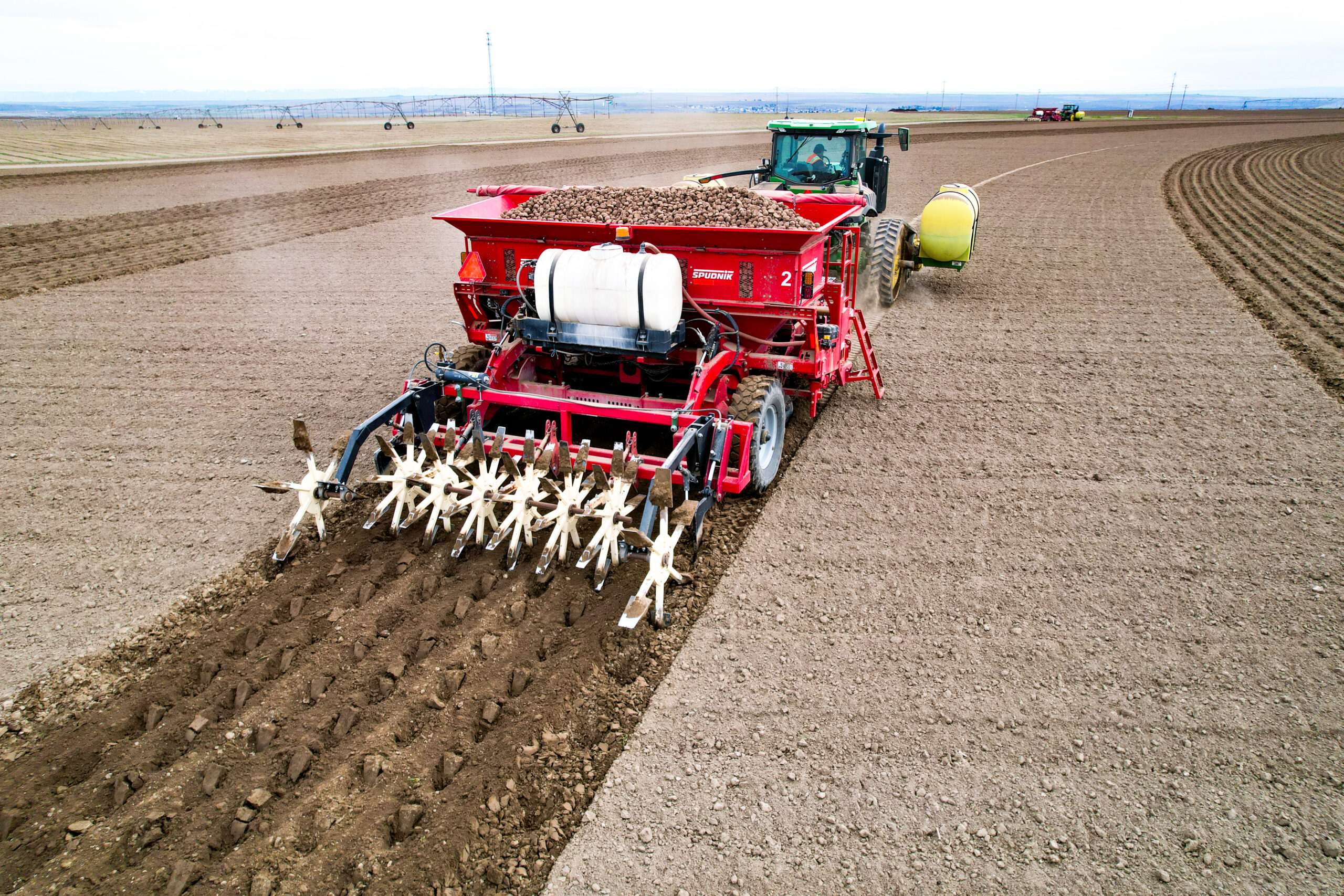
Reducing tillage passes means rethinking how the goals of each pass are achieved. Instead of multiple trips across the field, operations can be eliminated, combined, or completed in a single pass using planter‑mounted tools. The outcome is the same — properly prepared soil for strong crop establishment — but with fewer passes and fewer resources used. Like streamlining any process, the real value comes from doing the job well with less strain on the system.
That value shows up clearly in the soil. Fewer passes reduce fuel use and lower carbon emissions tied to field operations. In addition, fewer passes also reduce compaction and help preserve soil structure. Healthier structure improves water infiltration, supports root development, and helps soils retain moisture and organic matter. Beneficial earthworms especially appreciate this reduced impact on their home! This improved resilience maintained in the soil matters throughout the growing season, especially during weather extremes, and supports more consistent crop performance year after year.
Across CSS Farms, reduced tillage practices have been implemented thoughtfully and tested over time. In Pasco, WA, bed planting and diking were successfully combined into a single pass as early as 2019. In Columbus, NE, reduced tillage trials began in 2022 and 2023, where deep ripping was removed on select acres to confirm there was no negative impact on yield. After encouraging results, the practice expanded to hundreds of acres and continues to grow.
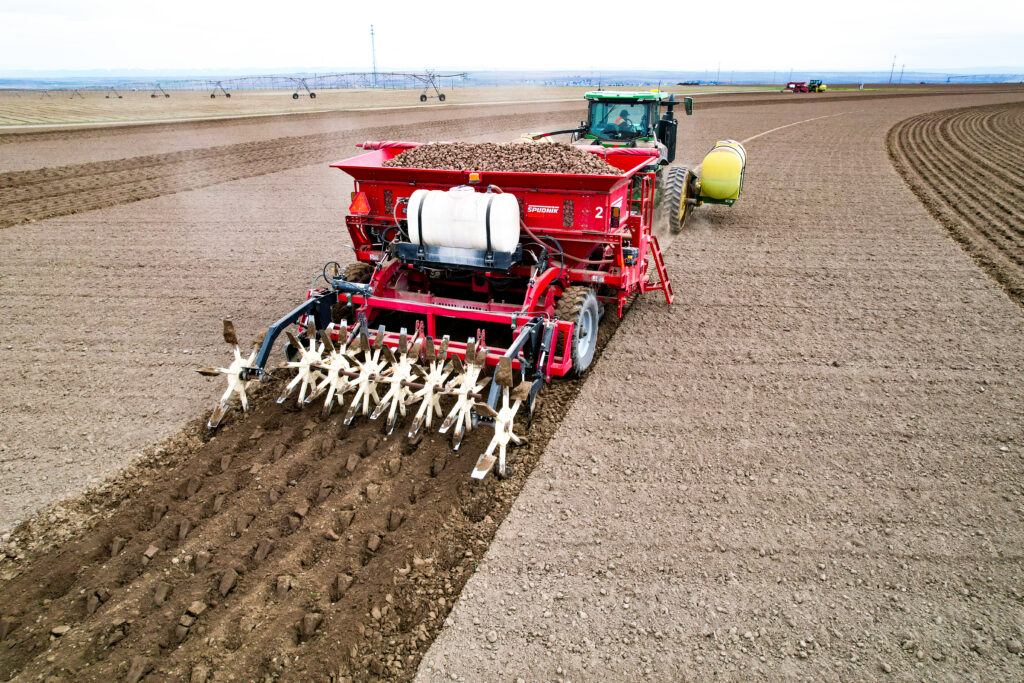
In Minden, NE, teams adopted a one‑pass system by mounting a ripper directly in front of the planter, allowing soil preparation and planting to happen at the same time. By 2024, this system was in use across thousands of acres and continues to operate at a similar scale. These site‑specific approaches show that reduced tillage isn’t one‑size‑fits‑all, but it is adaptable, practical, and scalable.
These examples reveal that reducing tillage passes isn’t just an operational tweak, it’s a strategy that improves soil health, reduces risk, and enhances flexibility on the farm. Fewer passes mean lower fuel costs, less equipment wear, and more efficient use of labor — benefits that support both day‑to‑day operations and long‑term farm success.
Reducing tillage also complements other sustainability practices across our farms. When soil disturbance is minimized, initiatives like compost application, nutrient management, and variable rate technology become even more effective. Together, these practices build soils that are productive today and improved for future seasons.
At CSS Farms, sustainability is not about choosing between productivity and stewardship. It’s about finding practical ways to do both. Reducing tillage passes reflects our broader commitment to integrated, thoughtful farming practices that protect resources, support our teams, and help us achieve our goal of growing the very best product for our customers.
As we continue refining these practices, we’ll keep sharing what we’re learning — and how doing less in the field can sometimes deliver more.